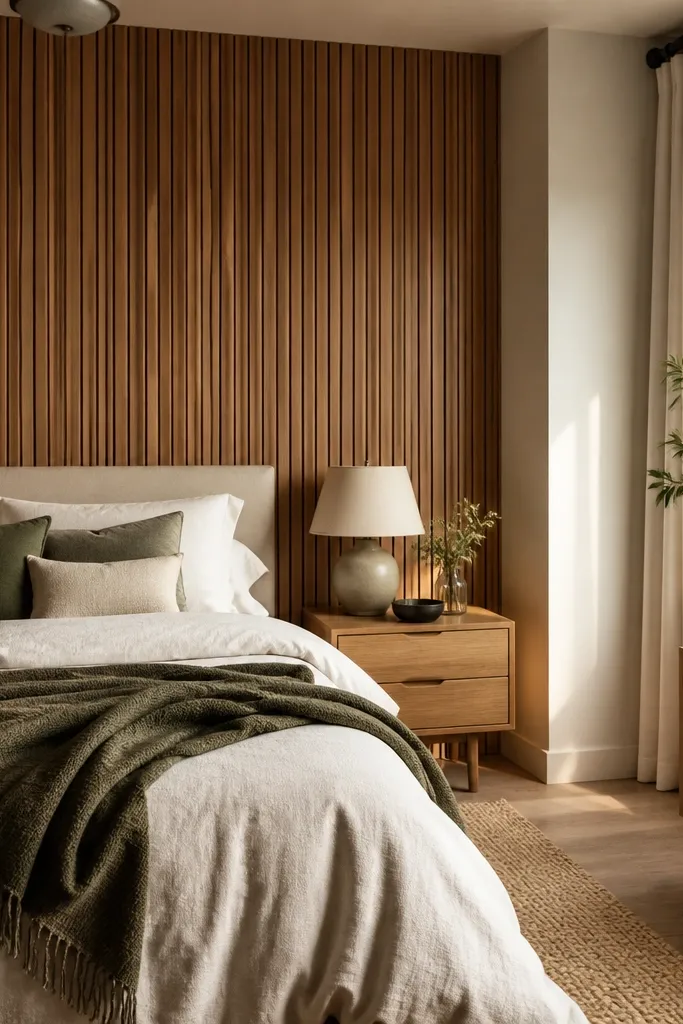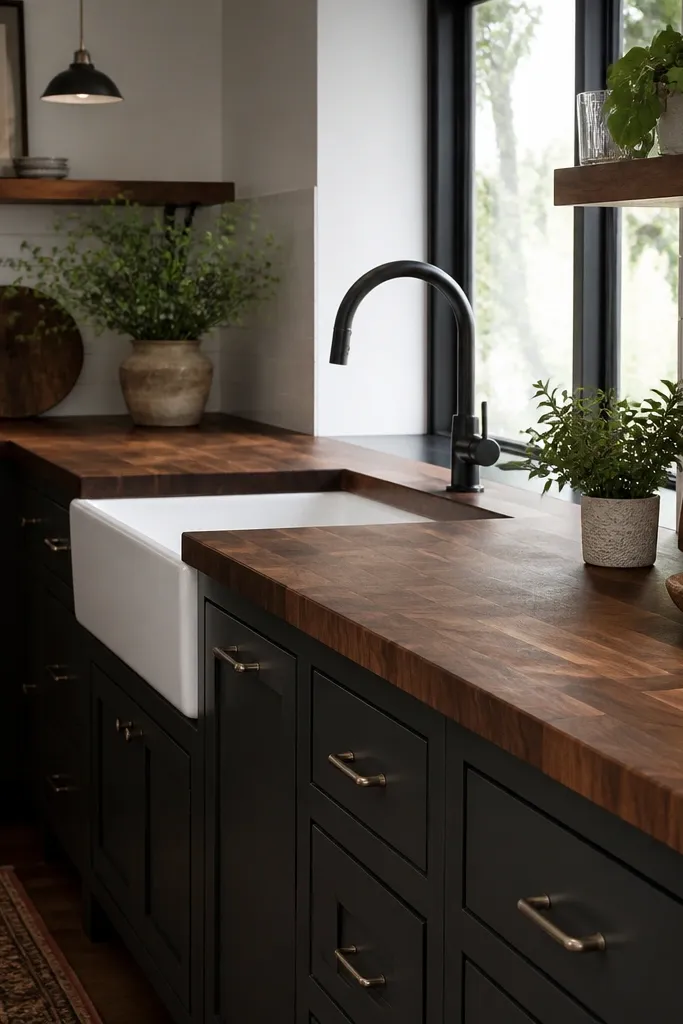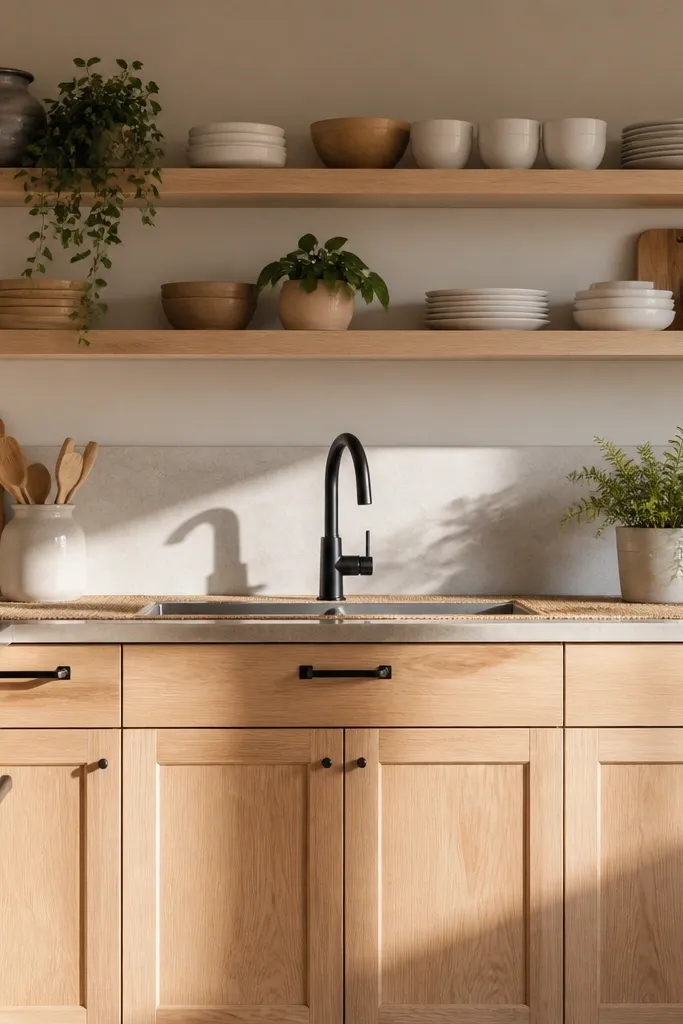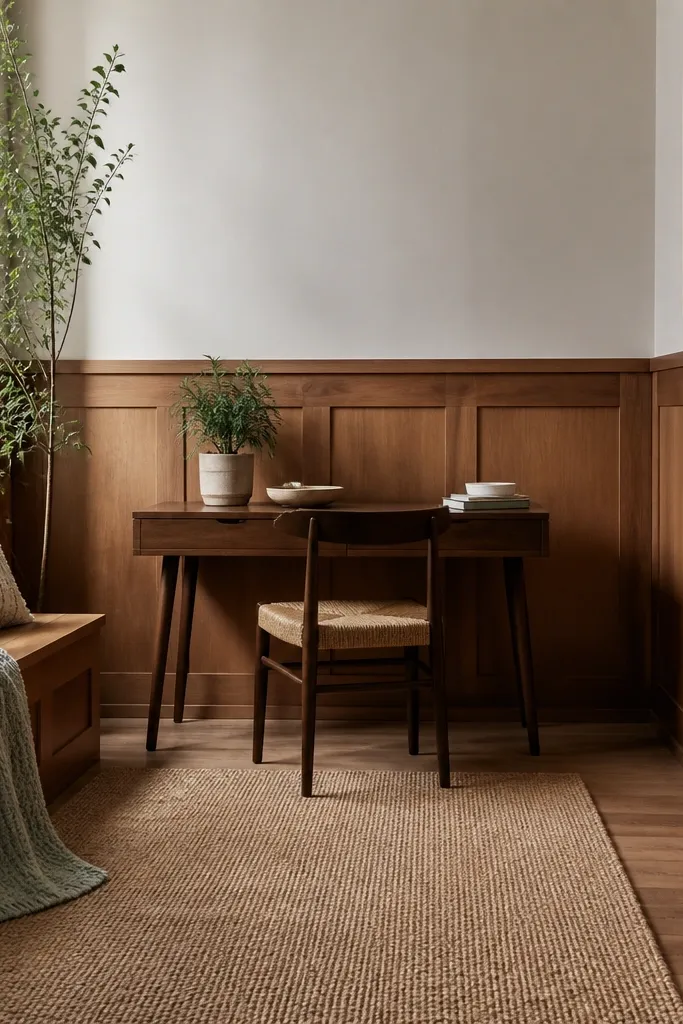
1. Midnight French Bistro Kitchen
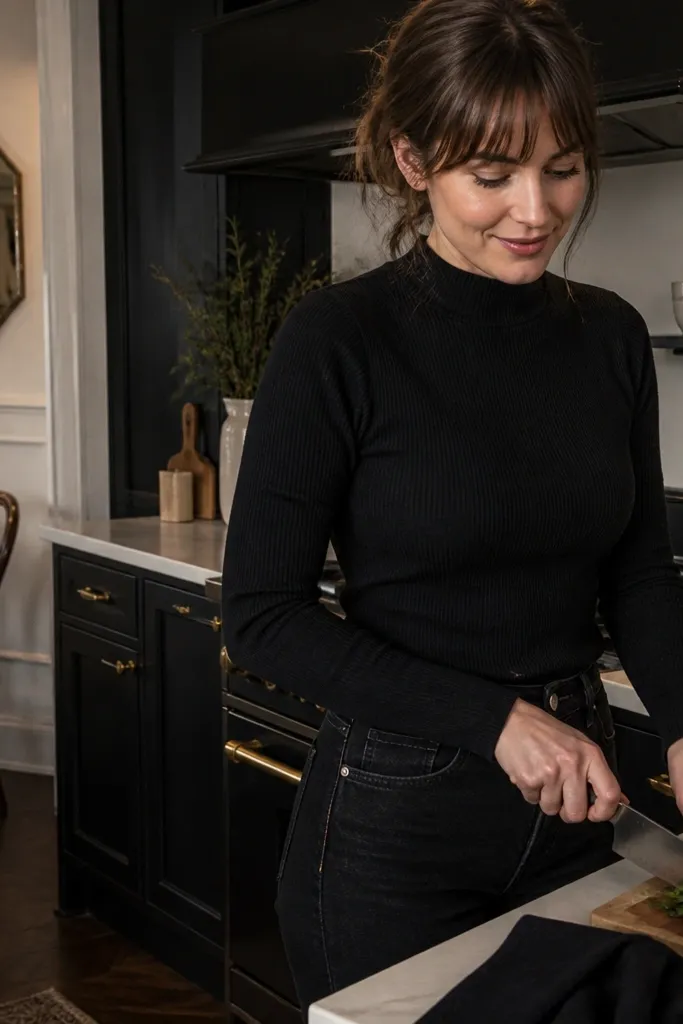
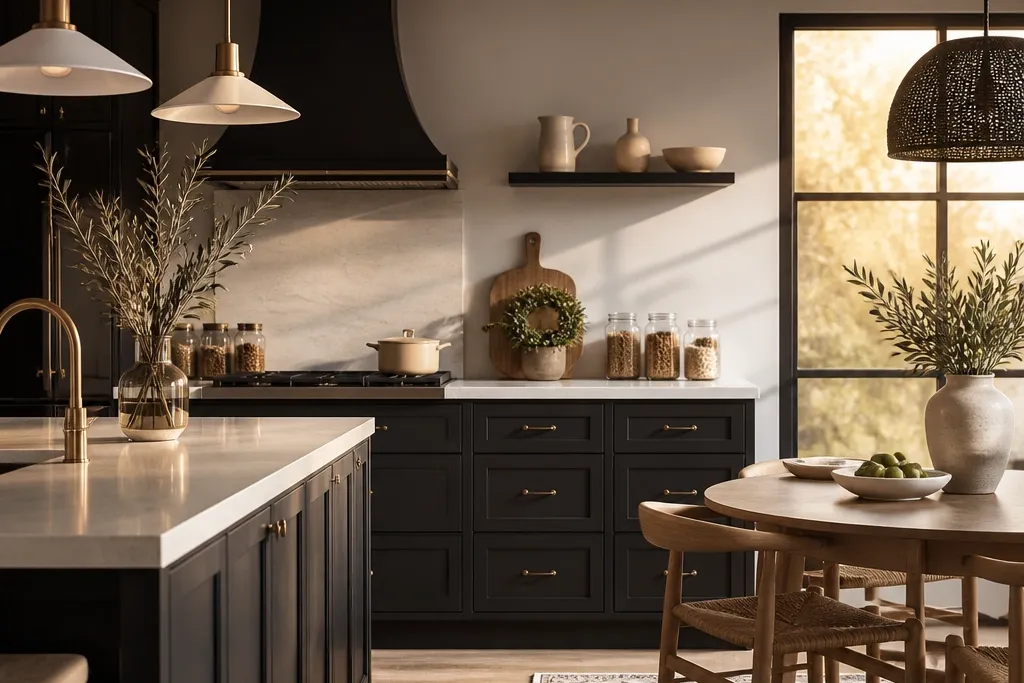
This theme makes Bloxburg kitchens feel like a real café corner. Use deep charcoal or near-black cabinets with cream or off-white counters so the room doesn’t disappear in screenshots. Add a black metal range hood look and a small wall shelf with simple ceramic pieces to give that French bistro vibe without clutter. For dining, choose a compact table in dark wood and pair it with cream cushions so the contrast stays readable. The warm lighting is what sells it — it makes the dark finish look intentional instead of gloomy.
Pro tipKeep decor items to 3-5 visible pieces on shelves so the dark theme doesn’t get visually heavy.
Step 1: Set your anchor colors — charcoal cabinets (or the closest dark option) and off-white counters. Then place your dining table against a wall so you can hang a small chandelier or pendant above it. Step 2: Match the hardware and fixtures to one finish: black. Add black bar stools or black chair legs so the metal repeats. Step 3: Finish with cream textiles: curtains and one small runner or chair cushion so the theme looks soft around the dark surfaces.
Watch outAvoid mixing dark cabinets with bright white walls and silver hardware — that combo kills the café mood.
2. Coastal Blue Cottage Kitchen
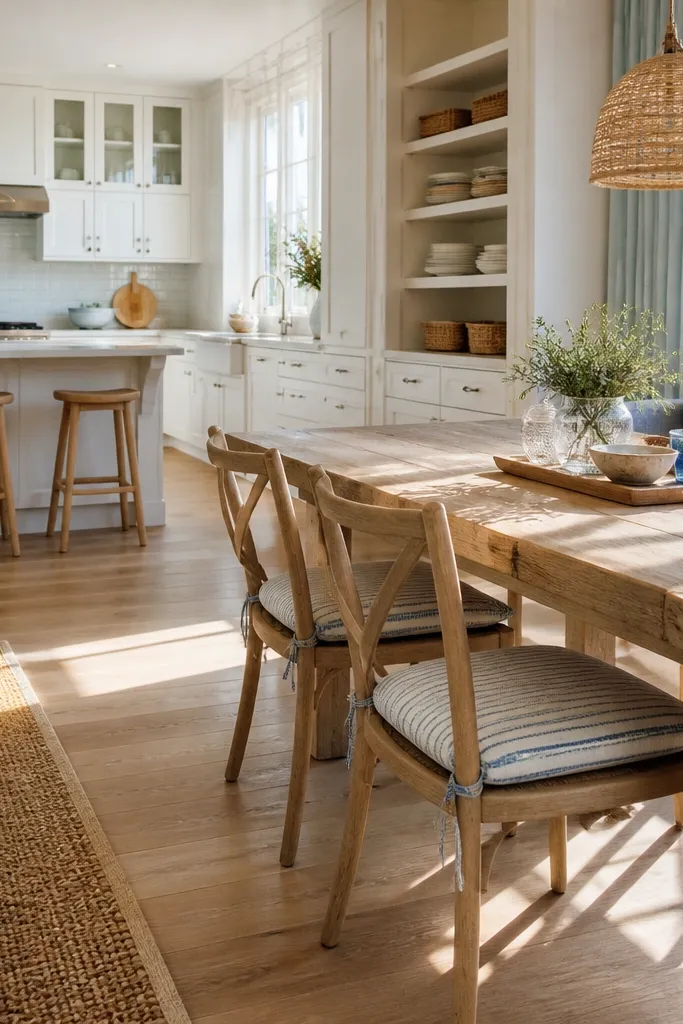
Coastal kitchens look great because they use light colors to make the whole room feel bigger. Go with light blue accents paired with white cabinets and pale wood dining to create a breezy, clean look. Add woven baskets on open shelving to bring texture — it reads homey in screenshots. The counters should stay light so the blue doesn’t feel harsh. For the dining area, use a pale wood table and simple striped or light-colored chair cushions to echo the cottage vibe.
Pro tipUse one “blue” pattern only once: either curtains or a runner, not both.
Step 1: Pick a light base — white cabinets and light flooring, then add a soft blue accent on the wall behind the dining area. Place open shelves near the stove or coffee station and fill them with 2-3 woven baskets. Step 2: Add light textiles: a striped curtain panel and a small runner on the dining table. Step 3: Keep the palette to three colors — white, blue, and natural wood — so the room stays cohesive.
Watch outDon’t add dark navy decor into the same space — it makes the coastal palette feel mixed up.
3. Scandi Minimal Warm Kitchen
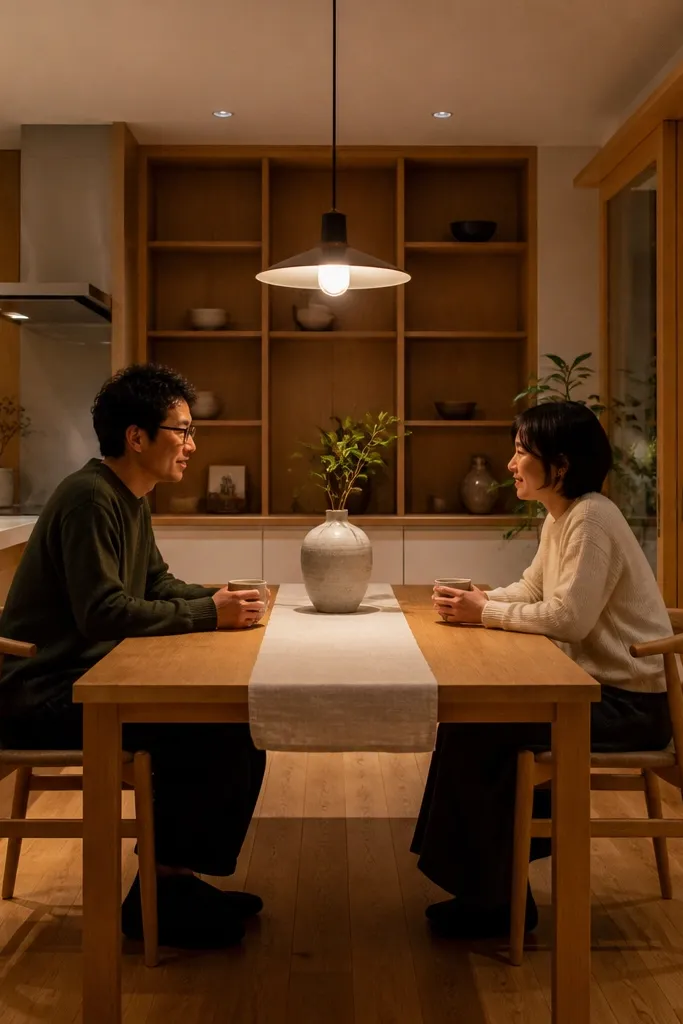
Scandi kitchens win because they look calm and expensive even when the layout is simple. Use light wood for cabinets or shelving and keep counters bright. Add a single pendant light over the dining table with a warm bulb tone so the scene feels inviting instead of sterile. The key is negative space: fewer decor items, but better placement. Choose dining chairs with light upholstery or light wood frames, then add one plant or ceramic vase as a focal point near the window wall.
Pro tipMatch chair color to shelf color, not the floor color. It makes the whole room look “designed.”
Step 1: Start with light wood + white — set cabinets and shelves in light tones and keep the backsplash simple. Then place a dining table where you can clearly see the pendant. Step 2: Add matching light fixtures in one style — one pendant over dining and one simple overhead or under-cabinet light if available. Step 3: Style surfaces with 2-4 items max: a tray, a vase, and one small kitchen accessory near the coffee station.
Watch outAvoid cluttered open shelving — Scandi looks best when shelves look curated, not stuffed.
4. Art Deco Black Gold Glam Kitchen
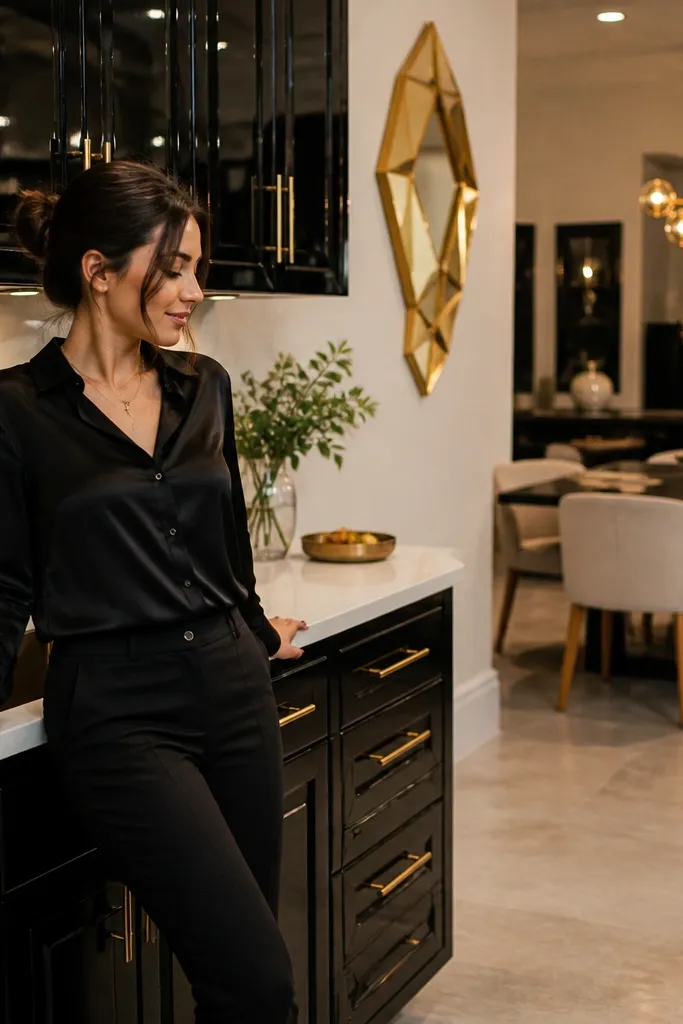
Art deco is all about geometry and contrast, so it photographs well in Bloxburg. Build around black cabinets or black base units, then add gold accents through lighting, faucet hardware, and a mirror or wall art with a geometric shape. Keep counters light so gold hardware stands out instead of blending in. For dining, a round table with a chandelier above gives that classic deco silhouette. Add one patterned rug or a decorative tile-like look behind the stove to make the room feel styled, not random.
Pro tipUse gold only in hardware and lighting. If you spread gold to too many small items, it stops looking classy.
Step 1: Choose black as the base anchor and pick gold as the only metal accent. Install a statement pendant or chandelier above the dining table and add gold-toned decor on the wall near the kitchen entrance. Step 2: Add geometric cues — a mirror with a frame shape or a wall panel pattern. Place a rug under the dining table so the floor area reads intentional. Step 3: Keep decor limited to one “glam” cluster on a shelf or counter so the gold doesn’t feel scattered.
Watch outAvoid mixing gold with bright pink or neon colors — deco glam needs controlled contrast.
5. Warm Tuscan Brick & Olive Kitchen
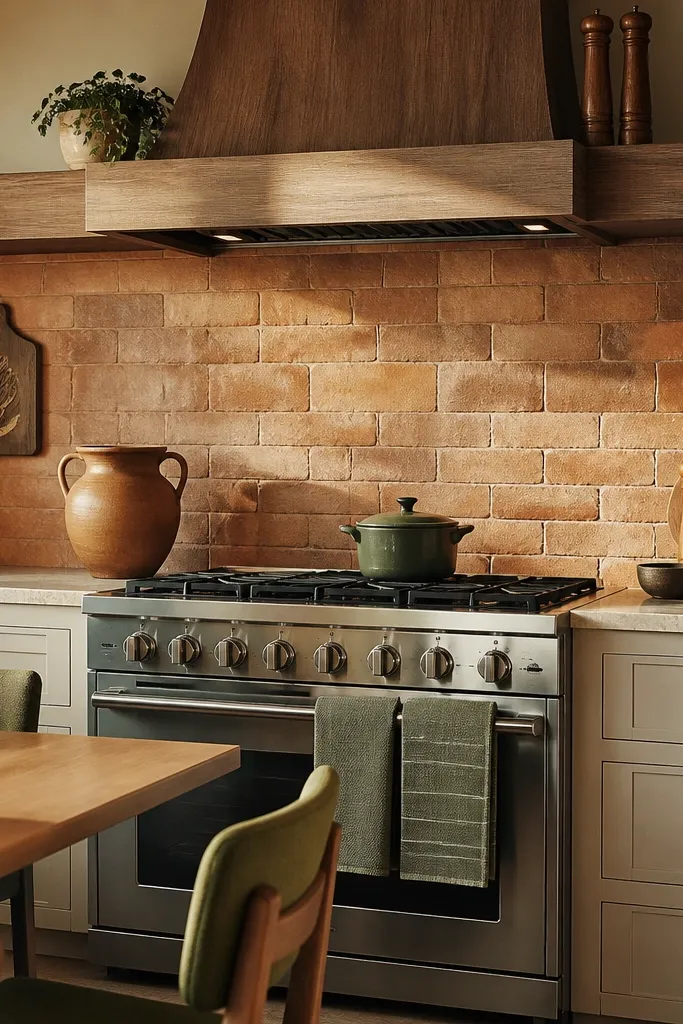
Tuscan kitchens feel grounded because they use earthy textures and warm tones. Go for terracotta or warm clay wall accents, then add olive green through chair cushions, a small wall sign, or a kitchen towel set. A brick-style backsplash (or any textured warm backsplash look) makes the stove area a photo magnet. For dining, choose rustic chairs in wood tones and add a warm-toned table runner. The result is a kitchen that looks cozy even in bright screenshots.
Pro tipIf your backsplash is textured, keep cabinet fronts simple. Texture + simple surfaces looks richer.
Step 1: Anchor the palette with terracotta walls or a terracotta-toned backsplash area. Then add olive green only in small, repeatable spots — 2-3 items max. Step 2: Place the dining table near the wall so you can show the warm backsplash and the chairs together. Add a textured runner or table cloth in a warm neutral. Step 3: Style counters with one ceramic container and one plant or herbs display so the olive theme shows up without clutter.
Watch outDon’t add cool gray everywhere — it fights the brick-and-olive warmth.
6. Modern Farmhouse White Shiplap Kitchen
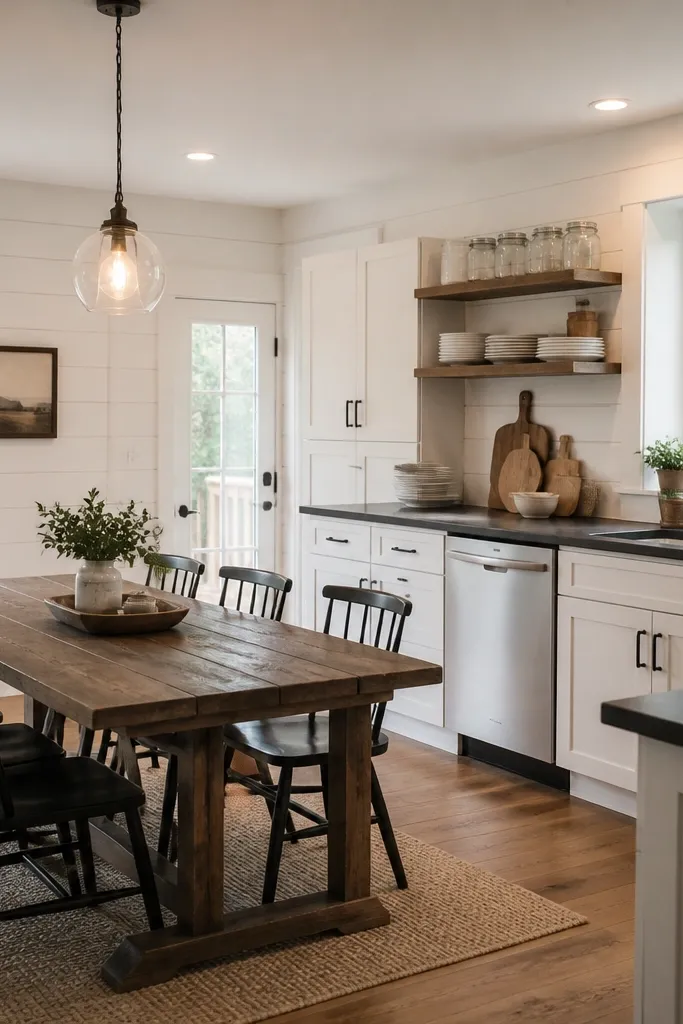
Modern farmhouse is the easiest “pretty but not boring” theme because it balances clean white with darker contrast. Use a white shiplap-style wall behind the kitchen or dining area, then add black hardware on cabinets and black fixtures around the sink. Open shelving gives you a place for neatly grouped jars and plates — that’s where the theme reads intentional. For dining, a farmhouse table with a slightly distressed wood look and plaid or neutral gingham chair accents makes the whole space feel homey. Keep the lighting warm and slightly softer so the black hardware doesn’t look harsh.
Pro tipUse a consistent jar color (white or clear) so shelves look styled instead of accidental.
Step 1: Set your base — white cabinets and a shiplap-like wall panel behind the dining or kitchen focal wall. Add black hardware and black pendant lights over dining. Step 2: Build open shelves with matching containers: 2-3 jars, 1 stack of plates, and one small plant. Step 3: Add one plaid element at the dining set (runner or cushion) and keep everything else solid-colored.
Watch outAvoid mixing multiple patterns across the kitchen — farmhouse looks best when plaid is the only pattern.
7. Tropical Palm Green Kitchen
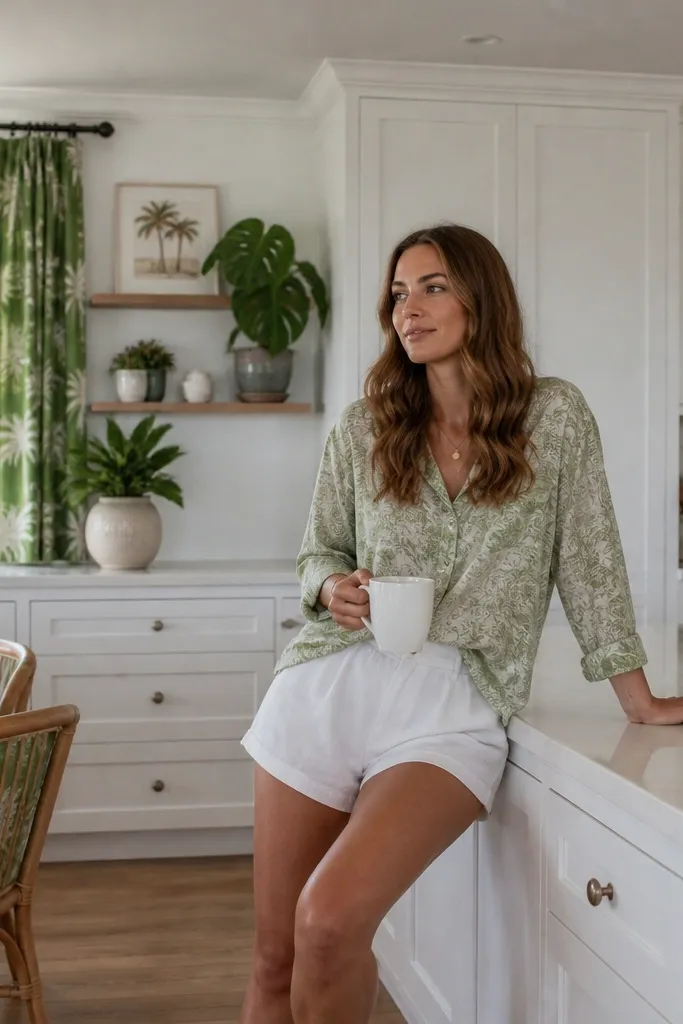
Tropical themes look fun in screenshots when you control saturation. Use white cabinets as the base, then pick one strong green and repeat it in curtains, chair cushions, and a few decor pieces. Add palm-themed decor near the window wall or above a small shelf so it looks like a lived-in vacation home. For dining, choose rattan-style or light woven chair looks and a bright table top so the space feels airy. The key is keeping the rest of the room neutral so the greens pop.
Pro tipPick one “hero” green item — curtains or a rug — and let everything else support it.
Step 1: Anchor with white cabinets and light flooring, then choose one green tone for textiles and decor. Place a palm plant near the dining wall and add green curtains if your layout has a window. Step 2: Add woven/rattan chairs around a lighter table so the tropical materials feel cohesive. Step 3: Style the counter with 2-3 items in green and white (like bowls or canisters) so the theme repeats without clutter.
Watch outDon’t add too many different tropical prints. One motif reads better than five.
8. Moody Industrial Loft Kitchen
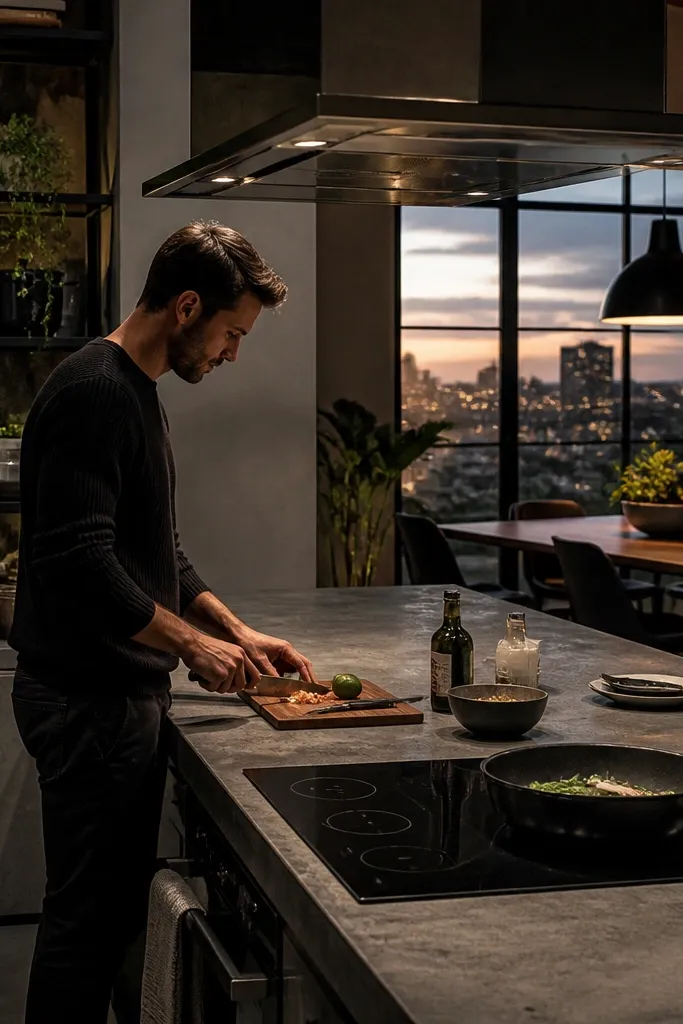
Industrial kitchens look dramatic because the materials are honest and the lighting creates contrast. Use concrete gray counters or gray-toned surfaces, black metal shelving, and darker dining chairs. Add a large statement light over dining so the room feels like a loft. Keep the backsplash simple and dark so it doesn’t fight the metal. This theme works great for smaller kitchens because the dark accents define edges and make the layout feel intentional.
Pro tipAdd warm wood in one place only. It keeps industrial from feeling like a warehouse.
Step 1: Choose gray + black as the base. Place black metal shelving above or beside the stove area and keep shelf items to 3-4. Step 2: Add one bigger fixture over the dining table — a pendant or industrial-style light — then add a smaller light near the counter if available. Step 3: Use darker dining chairs and a dark table top, then add one warm wood element (a small cutting board or basket) to stop it from feeling too cold.
9. Rose Blush & White Dessert Kitchen

This theme turns your kitchen into a dessert shop vibe, and it looks adorable in screenshots. Keep cabinets and counters white, then add blush pink through curtains, chair cushions, and small decor like a pastry stand or fruit bowls. A pastel backsplash look behind the stove makes the cooking area match the theme. For dining, pick a light table with blush chair details so the room doesn’t look like two different spaces. Warm lighting is essential here because it makes blush look soft instead of flat.
Pro tipIf your blush looks too bright, tone it down by using it only on fabric, not on large surfaces.
Step 1: Set white as the base and pick one blush pink tone for textiles. Add blush curtains near the dining area and place a blush accent on chairs. Step 2: Use 2-3 pastel decor items on counters — a tray, a bowl, and a small stand — and keep the rest neutral. Step 3: Add a light rug under the dining set in a matching tone so the floor looks finished.
Watch outAvoid adding bright red or loud neon accents. Blush kitchens need gentle color control.
10. Chalkboard Kitchen for a Coffee Corner
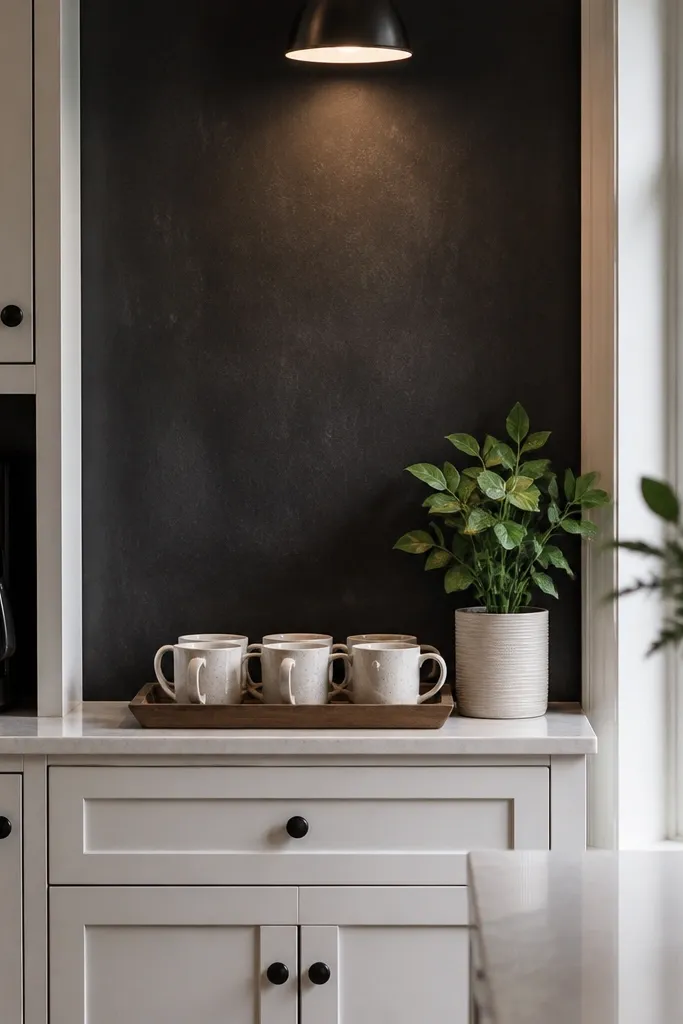
A chalkboard coffee corner makes your kitchen instantly look themed without changing the whole room. Use a dark panel or chalkboard-like wall spot near the coffee station or dining area. Then style the coffee corner with matching mugs, a small tray, and one plant. Keep cabinets and counters light so the chalkboard stands out. For dining, use simple chairs and a neutral table so the chalkboard remains the focal point. This theme solves the “my kitchen has no focal point” problem — now you have one clear visual anchor.
Pro tipUse the chalkboard as your repeat cue. Any black hardware you have should match the chalkboard color.
Step 1: Pick the wall spot where your coffee station will sit and add the chalkboard panel there. Then place the coffee items so they frame the board — mugs on one side, a tray on the other. Step 2: Keep the rest of the kitchen light and uncluttered; use only two accent colors, like black and warm wood. Step 3: Add one small decor item near dining (a simple centerpiece) so the room feels connected to the coffee wall.
11. Red Brick & Cream Bakery Theme
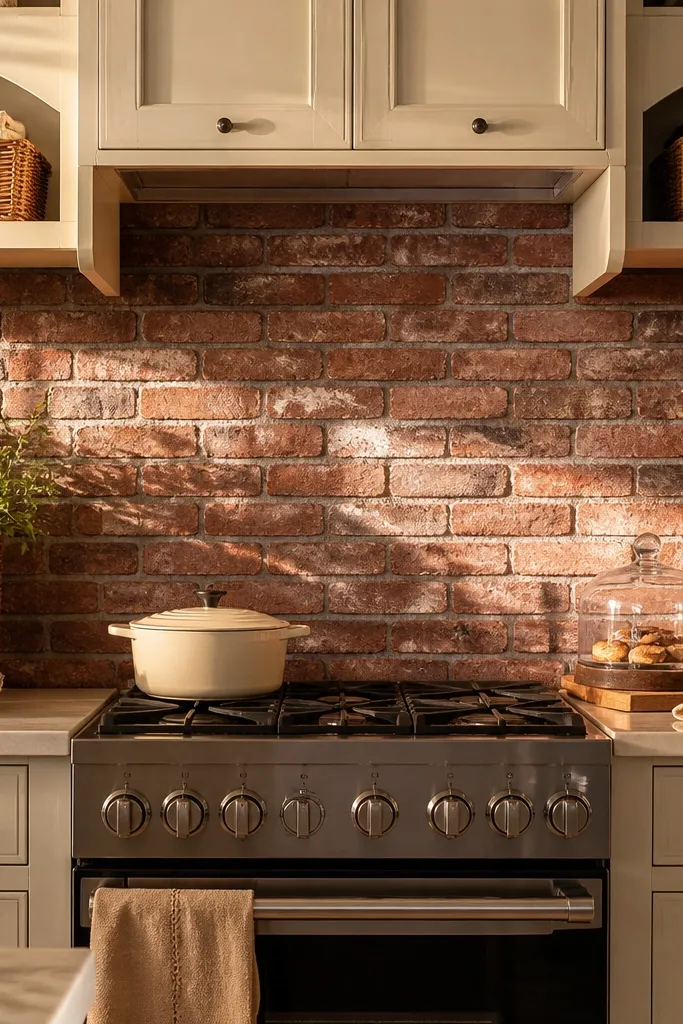
A bakery theme looks best when the backsplash does the heavy lifting. Use cream cabinets with a red brick-style backsplash behind the stove or along the main wall. Add bakery decor items like a pastry display, a small flour jar look, and warm-toned baskets. Keep counters light so the red brick doesn’t overwhelm. For dining, choose a table with a red accent (chairs or runner) and keep the rest neutral. The result is a kitchen that reads “bakeshop” instantly in one glance.
Step 1: Place red brick backsplash where it’s visible from the dining side. Then set cream cabinets and light counters to balance the brick. Step 2: Style the counter with 3 items max: a pastry stand, a jar, and a basket. Step 3: Add a dining runner or chair cushion in a muted red so it matches the backsplash without looking like you’re repeating a pattern everywhere.
If the brick is strong, reduce other wall decor. Let the backsplash be the star.
Avoid adding multiple bold wall colors. Brick + extra color makes the room feel chaotic.
12. Zen Japanese Minimal Kitchen
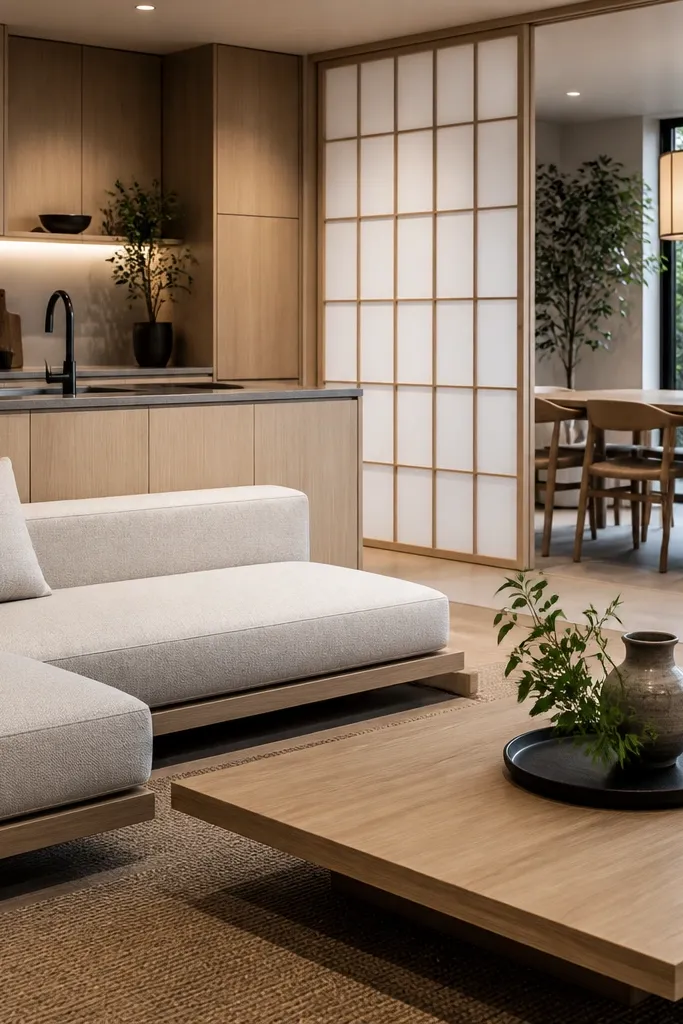
Zen Japanese minimal works because it uses quiet tones and a few meaningful details. Choose light wood and neutral surfaces, then add a divider-like wall panel or shoji-style look near dining. Lighting should feel soft — a lantern-style pendant over the dining table makes the theme read immediately. Keep decor minimal: one plant, one ceramic set, and a single wall piece. This theme helps if your kitchen layout is narrow because the light palette and divider lines give structure without visual noise.
Pro tipUse one black accent item max (like a utensil holder) to keep the look grounded.
Step 1: Anchor with light wood and neutral counters. Place a divider or shoji-style wall panel between the kitchen and dining zone if your layout allows. Step 2: Put a lantern-style light over the dining table and choose chairs that match the light wood tone. Step 3: Style surfaces with only 2-4 items: a plant, a ceramic bowl, and one small tray near the counter.
Watch outAvoid heavy patterned rugs and busy wall art. Zen reads best when the room breathes.
13. Lavender Provence Kitchen
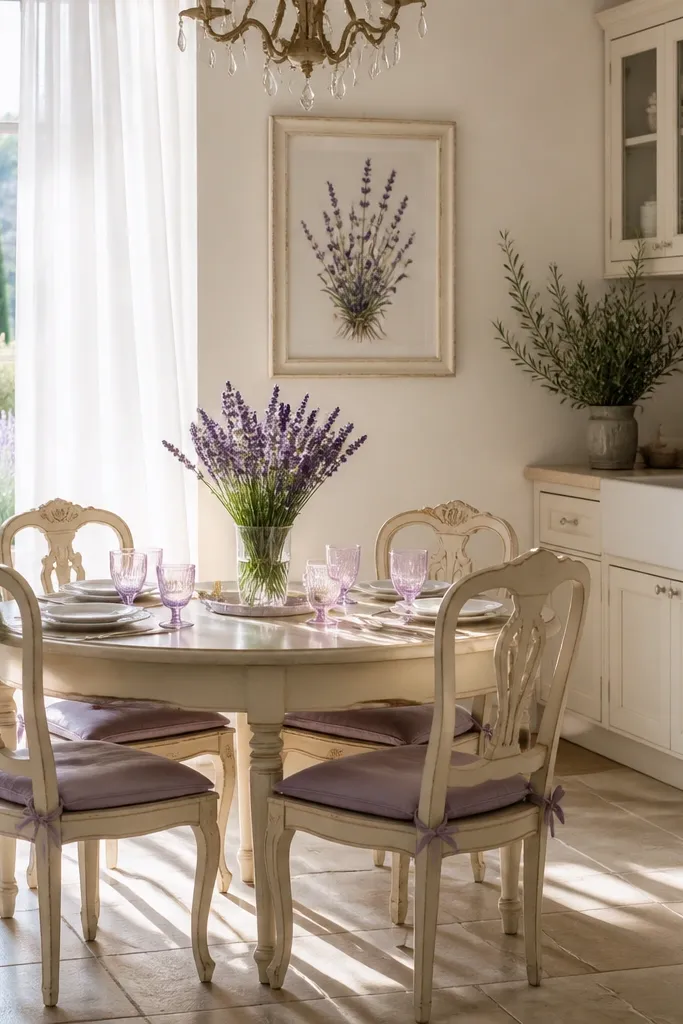
Provence kitchens look romantic because they blend soft color with vintage cues. Use white cabinets and light counters, then add lavender through curtains, chair cushions, and one floral-style wall print. A small dining table with pastel accents keeps the room from looking like it’s trying too hard. The backsplash should be subtle — pale tile look or simple light panels — so lavender stays the star. Warm lighting makes lavender look cozy rather than washed out.
Pro tipIf lavender looks too saturated, spread it on fabric (curtains, cushions) and keep walls white.
Step 1: Choose white as the base, then place lavender curtains near the dining corner. Add lavender chair cushions or a runner so the color repeats. Step 2: Add one floral or Provence-style wall piece behind the dining table or near the fridge. Step 3: Keep counter decor minimal: 2-3 items in neutral ceramic and one lavender-toned accent.
14. Deep Green Luxury Kitchen
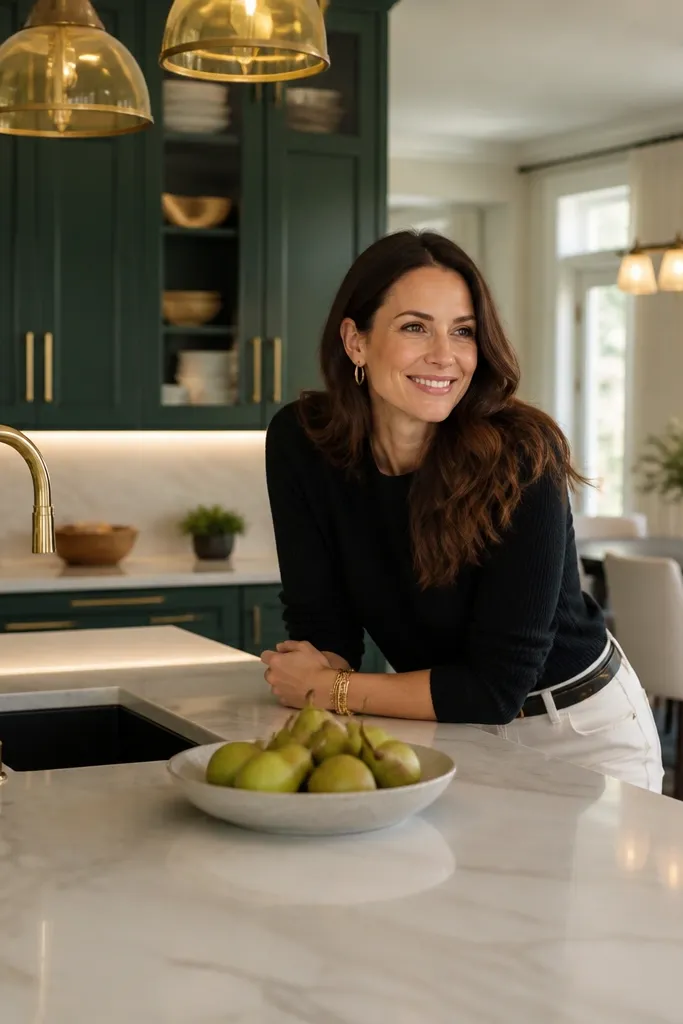
Deep green reads expensive because it’s dramatic but still natural. Use deep emerald or forest green cabinets and pair them with light counters that look marble-like. Add brass lighting and brass-toned hardware so the green has a warm contrast. For dining, choose a dark table and cream or ivory seating to keep the room bright. This theme solves the “my kitchen lacks color depth” issue — green gives you depth without needing lots of decor.
Pro tipUse brass in lighting and one hardware line only. Too many metals makes it look random.
Step 1: Anchor with deep green cabinets and choose light, marble-like counters. Then add brass fixtures around the sink and over the dining table. Step 2: Place cream chairs and add a cream runner or napkin-style decor so the room stays readable in photos. Step 3: Style counters with 3 items max in neutral tones — a tray, a vase, and one kitchen accessory.
15. Bright Yellow Sunshine Family Kitchen
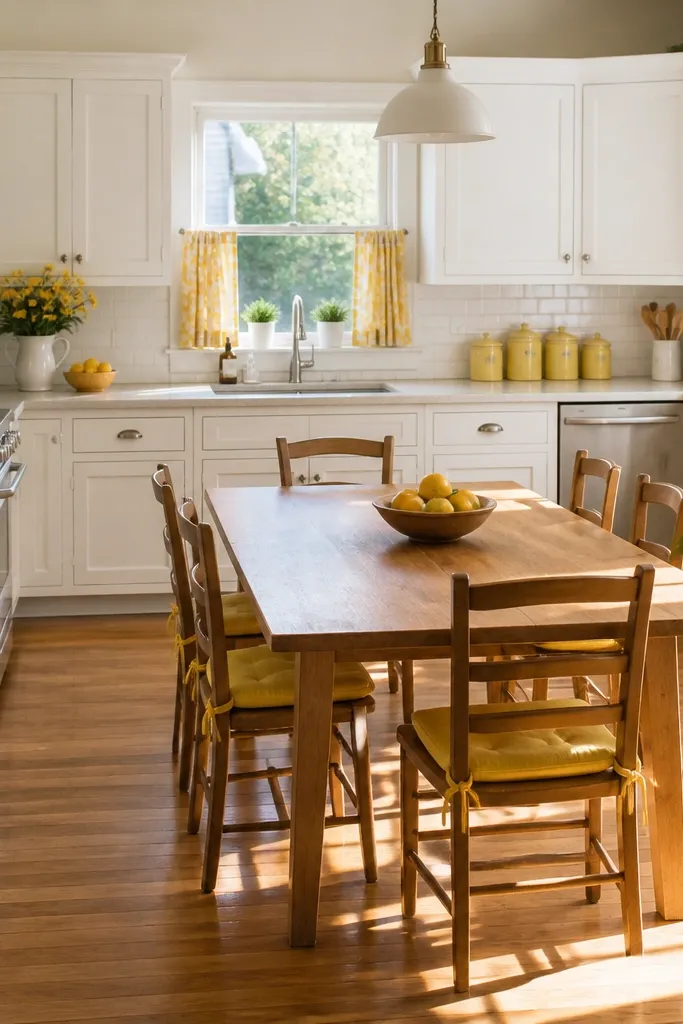
Yellow kitchens work because they make the space feel active and welcoming. Keep cabinets and counters white so the yellow doesn’t overpower the room. Add sunshine yellow through curtains, chair cushions, and small decor like a fruit bowl or canister set. For dining, a light wood table with yellow accents reads family-friendly and photogenic. Use warm overhead lighting so the yellow looks golden, not sickly.
Pro tipIf your yellow looks too bright, limit it to soft items like curtains and cushions.
Step 1: Use white cabinets as the base and pick a single yellow tone for textiles. Place yellow curtains near the dining wall and add yellow cushions to the chairs. Step 2: Choose a light wood dining table and keep the rest of the decor neutral. Step 3: Add a fruit bowl or canisters on the counter in 2-3 yellow-toned items so the theme is visible even when you’re focused on the kitchen.